Blog Post

Hand Hygiene in Healthcare: The 5 Moments and Proper Technique

Hand Hygiene in Healthcare: The 5 Moments and Proper Technique

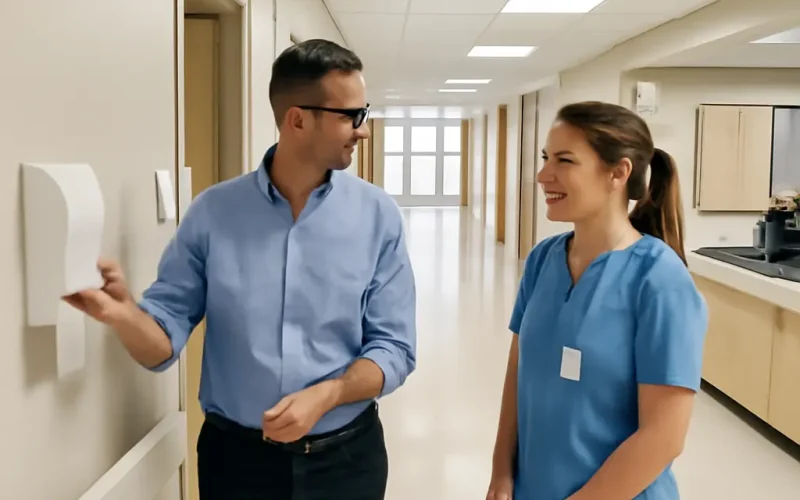
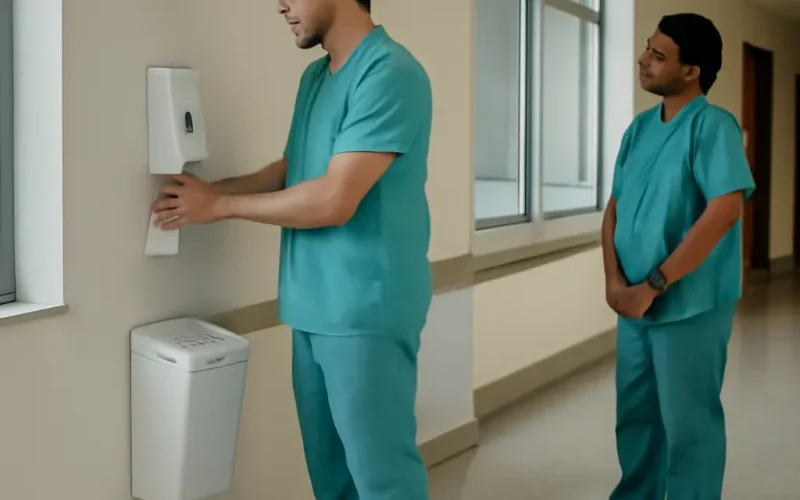
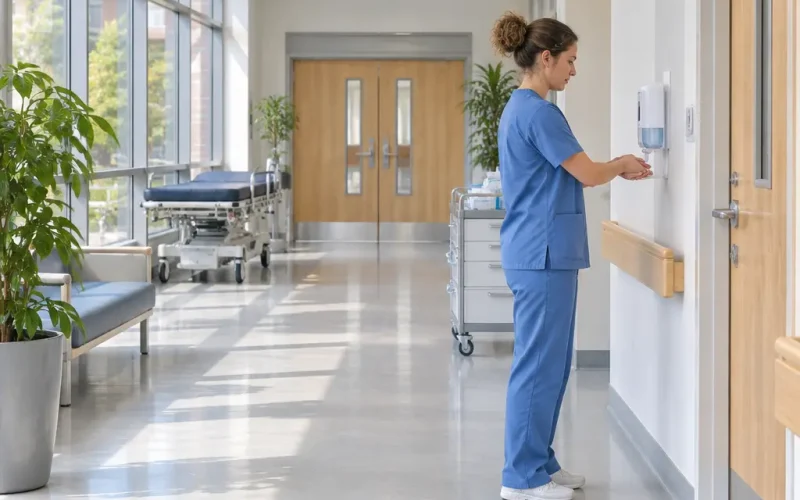
Hand hygiene in healthcare is the cleaning of hands with soap and water or an alcohol-based hand rub to reduce the spread of infectious agents. The World Health Organization (WHO) organizes when healthcare workers should clean their hands into five moments: before touching a patient, before a clean or aseptic procedure, after body-fluid exposure risk, after touching a patient, and after touching the patient’s surroundings. Applying these moments with the right technique matters: WHO estimates that, on average, 7 of every 100 patients in acute-care hospitals in high-income countries and 15 of every 100 in low- and middle-income countries acquire…

Read More
Do You Really Need to Wash Your Hands for 20 Seconds?

Do You Really Need to Wash Your Hands for 20 Seconds?

Handwashing is the use of soap and water to remove dirt and microbes from the hands. For routine handwashing, 20 seconds of scrubbing is a useful, evidence-based target—not a magic cutoff: washing for less may remove fewer germs, while thorough coverage and correct technique matter too. The U.S. Centers for Disease Control and Prevention (CDC) recommends scrubbing for at least 20 seconds, and the World Health Organization (WHO) describes a handwashing procedure that takes about 40–60 seconds from start to finish. This guide explains what the 20-second advice means, what research says about timing, how to wash effectively, and when…
Read More
Why Antibiotics Don’t Work Against Viruses

Why Antibiotics Don’t Work Against Viruses

Antibiotics treat infections caused by bacteria, not viruses. They work by targeting bacterial structures or processes—such as cell walls or protein production—that viruses do not have. The Centers for Disease Control and Prevention (CDC) estimates that at least 28% of antibiotics prescribed in U.S. outpatient settings are unnecessary, often because antibiotics are given for illnesses they cannot treat. Understanding how antibiotics work, why viral infections respond differently, and when medical care is appropriate can help prevent avoidable side effects and slow antibiotic resistance. Antibiotic Action and the Difference Between Bacteria and Viruses Antibiotics are medicines that kill bacteria or stop…
Read More
Caring for a Sick Family Member at Home Without Getting Sick Yourself

Caring for a Sick Family Member at Home Without Getting Sick Yourself

Caring for a sick family member at home means providing practical support while reducing your own exposure to the germs that may be causing their illness. The safest approach depends on the infection, but commonly recommended steps include improving ventilation, washing hands, avoiding shared personal items, cleaning high-touch surfaces, and using a well-fitting mask when close contact is necessary. These precautions matter: the U.S. Centers for Disease Control and Prevention (CDC) estimates that flu has caused millions of illnesses in the United States in recent seasons, while COVID-19 and other respiratory viruses can also spread within households. This guide explains…
Read More
How to Respond to an Infectious Disease Outbreak in a Healthcare Facility

How to Respond to an Infectious Disease Outbreak in a Healthcare Facility

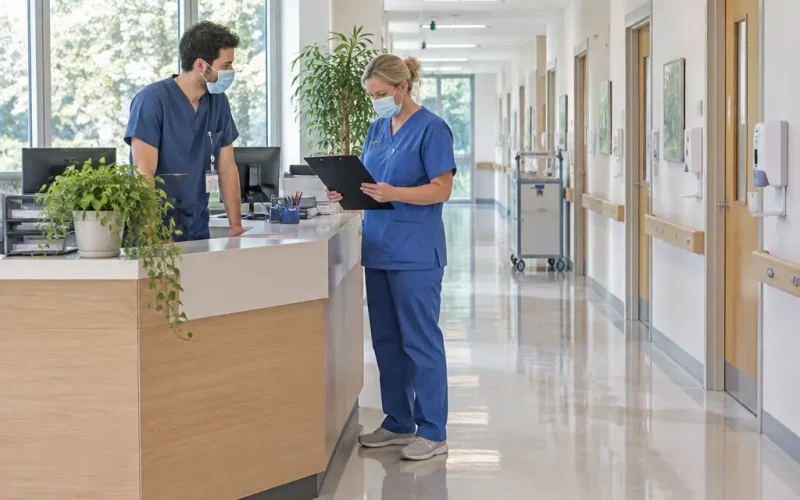
A healthcare facility infectious disease outbreak is an increase in cases of an infectious illness above what is normally expected in a defined facility, population, and period. Responding effectively means recognizing the signal, notifying infection prevention and public health authorities, quickly applying appropriate precautions, investigating transmission, and communicating clearly while maintaining safe care. The stakes are substantial: the U.S. Centers for Disease Control and Prevention (CDC) estimates that about 1 in 31 hospital patients has at least one healthcare-associated infection on any given day. A practical response therefore combines surveillance, isolation and personal protective equipment, testing and epidemiologic investigation, environmental…
Read More
Cleaning protocols hospitals are quietly upgrading this year

Cleaning protocols hospitals are quietly upgrading this year

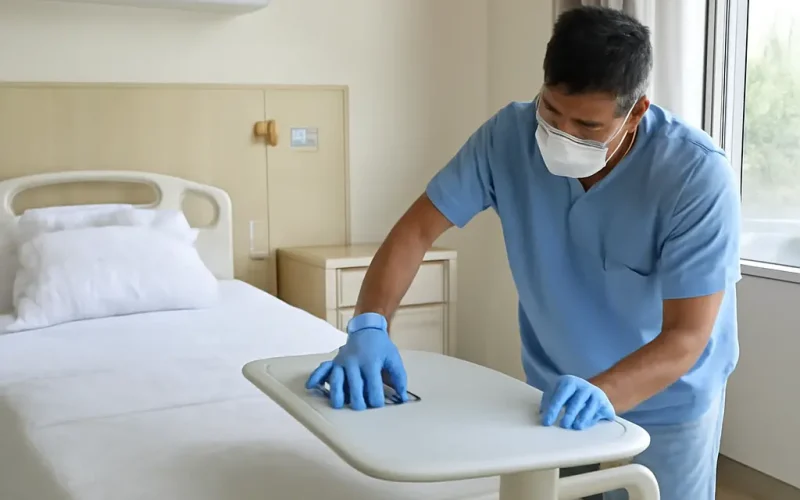
Hospital cleaning protocols are the policies and procedures used to reduce contamination on surfaces and equipment in patient-care environments. This year, hospitals are refining them with clearer risk-based rules, stronger attention to high-touch surfaces, improved monitoring, and targeted use of newer technologies—not simply adding more disinfectant. The changes matter: the U.S. Centers for Disease Control and Prevention (CDC) estimates that about 1 in 31 hospital patients has at least one healthcare-associated infection on any given day. Evidence-based cleaning, staff training, and reliable verification remain central to reducing preventable exposure. Risk-based cleaning protocols guide hospital surface care A risk-based cleaning protocol…
Read More
Reception Desk Cleanliness Speaks Louder Than Any Welcome Sign

Reception Desk Cleanliness Speaks Louder Than Any Welcome Sign

A reception desk is the staffed or self-service point where visitors first seek information, assistance, or access to an organization. Its cleanliness is more than a housekeeping detail: it is a visible signal of care, competence, and attention to safety. Research on first impressions shows that people form judgments quickly, while workplace guidance from the U.S. Centers for Disease Control and Prevention (CDC) emphasizes cleaning frequently touched surfaces. A spotless desk cannot guarantee excellent service, but a visibly dirty one can undermine a welcome sign before anyone says hello. This article explains how reception cleanliness shapes perception, supports hygiene, influences…
Read More
Advanced strategies top hospitals use to sustain infection control gains

Advanced strategies top hospitals use to sustain infection control gains

Infection control gains are not sustained by a single product or campaign; they depend on reliable systems that make safer care routine, detect slippage early, and adapt to new risks. The World Health Organization (WHO) estimates that, in acute-care hospitals, about 7 of every 100 patients in high-income countries and 15 of every 100 in low- and middle-income countries acquire at least one health care-associated infection during their stay. Leading hospitals respond with layered strategies: accountable leadership, practical infection-prevention workflows, data-driven surveillance, antimicrobial stewardship, and a culture in which staff and patients can speak up. Evidence from national programs and…
Read More
Common prep mistakes that quietly increase your infection risk before surgery

Common prep mistakes that quietly increase your infection risk before surgery

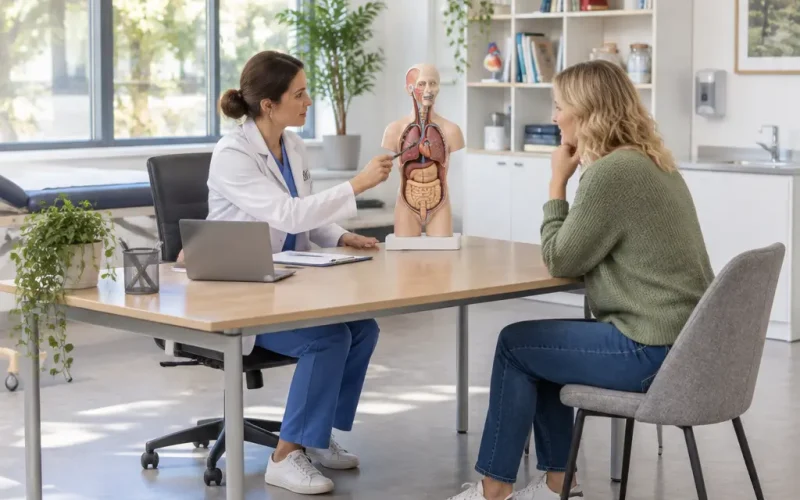
Surgical skin preparation mistakes are avoidable actions or misunderstandings before an operation that can leave germs on the skin or interfere with infection-prevention measures. Small choices—such as shaving with a razor, using the wrong cleansing product, or ignoring instructions about medicines—may undermine a carefully planned procedure. The Centers for Disease Control and Prevention (CDC) estimates that about 2.8% of patients undergoing inpatient surgery in U.S. acute-care hospitals develop a surgical site infection (SSI); risk varies by procedure and patient. Follow your surgical team’s instructions rather than trying to “improve” preparation on your own, and contact them if instructions are unclear…
Read More
Common Mistakes Infection Control Teams Make Every Single Day

Common Mistakes Infection Control Teams Make Every Single Day

Infection control teams help prevent infections linked to healthcare, but their effectiveness can be undermined by routine, preventable mistakes: incomplete hand hygiene, inconsistent use of personal protective equipment, weak surveillance, delayed communication, and failure to turn data into action. The Centers for Disease Control and Prevention (CDC) estimates that, on any given day, about one in 31 U.S. hospital patients has at least one healthcare-associated infection (HAI). Avoiding these errors requires more than policies on paper: teams need reliable measurement, clear ownership, practical training, and follow-through with frontline staff. Preventing Errors in Daily Infection Control Practice Infection prevention and control…
Read More