Medical

Hand Hygiene in Healthcare: The 5 Moments and Proper Technique

Hand Hygiene in Healthcare: The 5 Moments and Proper Technique

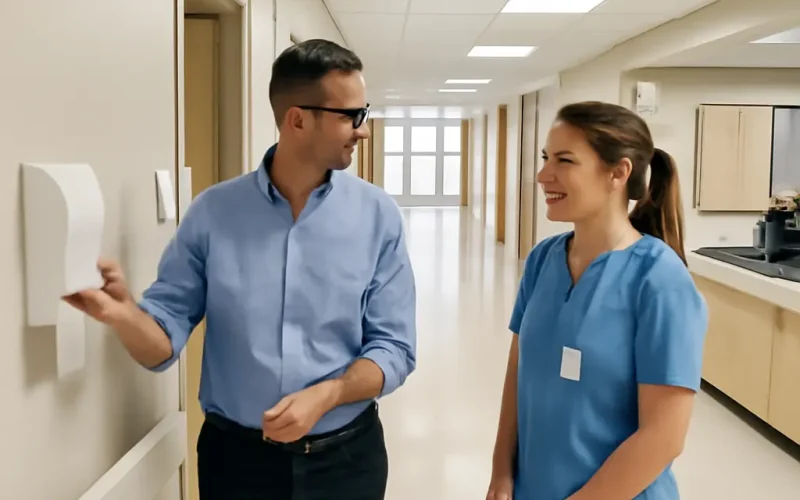
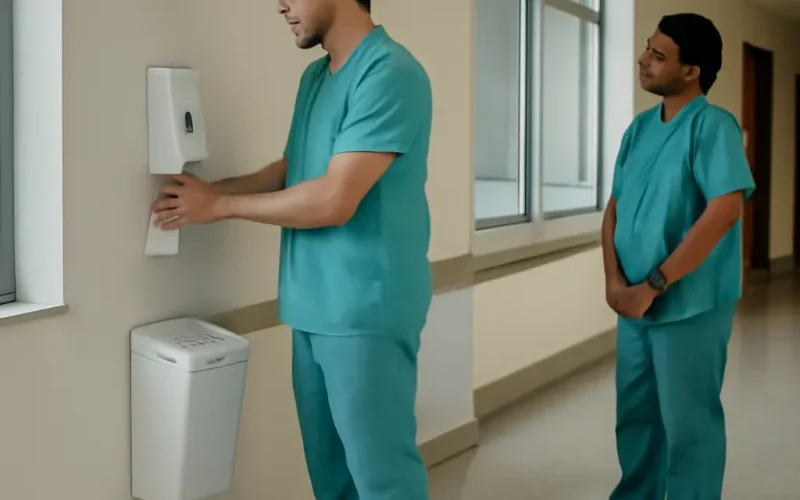
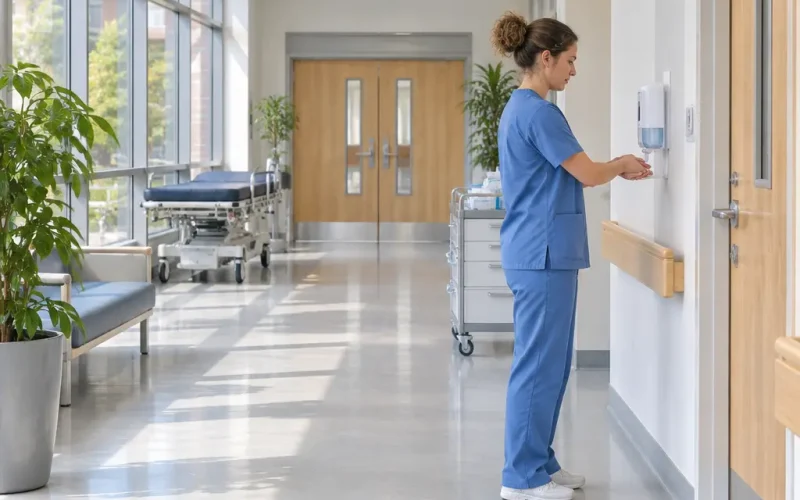
Hand hygiene in healthcare is the cleaning of hands with soap and water or an alcohol-based hand rub to reduce the spread of infectious agents. The World Health Organization (WHO) organizes when healthcare workers should clean their hands into five moments: before touching a patient, before a clean or aseptic procedure, after body-fluid exposure risk, after touching a patient, and after touching the patient’s surroundings. Applying these moments with the right technique matters: WHO estimates that, on average, 7 of every 100 patients in acute-care hospitals in high-income countries and 15 of every 100 in low- and middle-income countries acquire…
Read More
Why Antibiotics Don’t Work Against Viruses

Why Antibiotics Don’t Work Against Viruses

Antibiotics treat infections caused by bacteria, not viruses. They work by targeting bacterial structures or processes—such as cell walls or protein production—that viruses do not have. The Centers for Disease Control and Prevention (CDC) estimates that at least 28% of antibiotics prescribed in U.S. outpatient settings are unnecessary, often because antibiotics are given for illnesses they cannot treat. Understanding how antibiotics work, why viral infections respond differently, and when medical care is appropriate can help prevent avoidable side effects and slow antibiotic resistance. Antibiotic Action and the Difference Between Bacteria and Viruses Antibiotics are medicines that kill bacteria or stop…
Read More
Advanced strategies top hospitals use to sustain infection control gains

Advanced strategies top hospitals use to sustain infection control gains

Infection control gains are not sustained by a single product or campaign; they depend on reliable systems that make safer care routine, detect slippage early, and adapt to new risks. The World Health Organization (WHO) estimates that, in acute-care hospitals, about 7 of every 100 patients in high-income countries and 15 of every 100 in low- and middle-income countries acquire at least one health care-associated infection during their stay. Leading hospitals respond with layered strategies: accountable leadership, practical infection-prevention workflows, data-driven surveillance, antimicrobial stewardship, and a culture in which staff and patients can speak up. Evidence from national programs and…
Read More
Common Mistakes Infection Control Teams Make Every Single Day

Common Mistakes Infection Control Teams Make Every Single Day

Infection control teams help prevent infections linked to healthcare, but their effectiveness can be undermined by routine, preventable mistakes: incomplete hand hygiene, inconsistent use of personal protective equipment, weak surveillance, delayed communication, and failure to turn data into action. The Centers for Disease Control and Prevention (CDC) estimates that, on any given day, about one in 31 U.S. hospital patients has at least one healthcare-associated infection (HAI). Avoiding these errors requires more than policies on paper: teams need reliable measurement, clear ownership, practical training, and follow-through with frontline staff. Preventing Errors in Daily Infection Control Practice Infection prevention and control…
Read More
Why High Touch Surfaces Still Spread Infections Daily

Why High Touch Surfaces Still Spread Infections Daily

High-Touch Surfaces as Infection Reservoirs: Why They Still Spread Infections Daily High-touch surfaces are frequently contacted objects and areas—such as doorknobs, faucet handles, elevator buttons, phones, keyboards, shopping-cart handles, and shared medical equipment—that can temporarily carry infectious microorganisms. They still contribute to daily infection spread because pathogens can be deposited by contaminated hands, survive for hours or days on suitable materials, and transfer to another person’s eyes, nose, mouth, food, or broken skin before hand hygiene or cleaning occurs. The Centers for Disease Control and Prevention reports that hand hygiene can prevent approximately 30% of diarrhea-related illnesses and 20% of…
Read More
The PPE Practices That Actually Stop Germ Spread

The PPE Practices That Actually Stop Germ Spread

Personal protective equipment (PPE) practices are the selection, use, removal, and disposal behaviors that place a barrier between infectious material and a worker’s skin, eyes, nose, mouth, or respiratory system. The practices that actually stop germ spread are not simply “wearing PPE”: they combine risk-based selection, correct fit, hand hygiene, disciplined donning and doffing, safe disposal, and respiratory protection when airborne exposure is possible. The Centers for Disease Control and Prevention (CDC), World Health Organization (WHO), and Occupational Safety and Health Administration (OSHA) all emphasize that PPE works as one part of a wider infection-control system. This article explains barrier…
Read More
Steps Every Team Must Follow Before Patient Use

Steps Every Team Must Follow Before Patient Use

Clinical device readiness is the documented condition in which a medical device, its environment, and the responsible care team have been verified as safe and appropriate for a specific patient. Before patient use, every team should confirm device identity and status, inspect and prepare the equipment, verify cleaning or sterilization, complete functional and software checks, confirm staff competency, assess patient-specific risks, document authorization, and establish monitoring and escalation plans. These controls matter because the World Health Organization estimates that approximately 1 in 10 patients is harmed in healthcare, with more than half of harm in primary and ambulatory care considered…
Read More
Real Benchmarks That Matter For Infection Control

Real Benchmarks That Matter For Infection Control

Infection control benchmarks are standardized, risk-adjusted measures used to determine whether healthcare practices prevent infections and reduce avoidable harm. The benchmarks that matter most connect process measures—such as hand-hygiene compliance and timely device removal—to outcome measures, including central-line-associated bloodstream infections (CLABSIs), catheter-associated urinary tract infections (CAUTIs), surgical-site infections (SSIs), Clostridioides difficile infections, and antimicrobial-resistant organisms. The World Health Organization estimates that 7 of every 100 patients in acute-care hospitals in high-income countries and 15 of every 100 patients in low- and middle-income countries acquire at least one healthcare-associated infection (HAI), making credible measurement essential for patient safety, workforce protection, and…
Read More
The Protocols Every Healthcare Worker Needs To Master

The Protocols Every Healthcare Worker Needs To Master

Healthcare worker protocol mastery is the ability to consistently recognize risk, select the correct clinical or safety procedure, perform it correctly, communicate decisions, and document the result. The protocols every healthcare worker needs to master include standard precautions, hand hygiene, personal protective equipment, medication safety, patient identification, emergency response, infection prevention, communication, privacy, safeguarding, and accurate documentation. Their relevance is measurable: the World Health Organization estimates that approximately 1 in 10 patients is harmed in healthcare, with more than half of this harm considered preventable, while the Centers for Disease Control and Prevention reports that about 1 in 31 hospital…
Read More